
Who are the Best San Diego Trauma Therapists?
Trauma can leave lasting impacts on your relationships, sense of self, and overall well-being. While we can’t change the past, we can shift how we respond to it so it’s no longer controlling our present or future.

As a licensed trauma therapist in San Diego, I specialize in helping adult survivors of childhood emotional abuse and neglect, individuals recovering from narcissistic abuse, and those struggling with complex PTSD (CPTSD). My approach integrates somatic therapy, Internal Family Systems (IFS), and attachment-focused treatment to address both the cognitive and physical effects of trauma.
If you’re an adult child of emotionally immature parents, struggling with low self-worth despite outward success, or finding it difficult to form the relationships you truly want, I may be able to help. I offer evening sessions and virtual appointments to accommodate busy schedules, plus free consultations to ensure we’re a good fit.
At the same time, I recognize that finding the right trauma therapist is deeply personal. That’s why I’ve compiled this resource to help you explore your options and find the support that best matches your unique needs.
7 highly recommended San Diego trauma & PTSD therapists
All of these practitioner listings have been sourced from the official directory on the IFS Institute website.

1. Laura Michele Raju
Trauma can often be linked to other challenges, like substance abuse. If you’re looking for specialized care to examine your relationship with substances alongside healing from trauma, you may benefit from working with a therapist with expertise in both of these areas, like Laura.
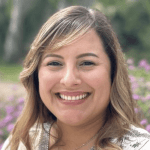 2. Giselle Laguna
Effective trauma therapy is all about finding the approaches that work best for you. Brainspotting therapy is a cutting-edge approach that may be helpful if talk therapy hasn’t worked well for you. Giselle is trained in brainspotting and also offers brainspotting intensives if you’re looking for rapid results.
 3. Merav Segall
Unfortunately, young people aren’t immune to the impacts of trauma. If you’re looking for trauma therapy specifically designed for children, consider Merav’s practice. She specializes in using methods like play therapy to provide trauma treatment in a developmentally appropriate way. Merav also offers parent coaching.
 4. Brittaney Latta
Neurodivergence can add a layer of complexity to the trauma healing process, so it can be helpful to work with a PTSD therapist with expertise in this area. Enter Brittaney. Her practice specializes in supporting high-functioning members of the LGBTQ+ and neurodivergent communities to unmask and finally put themselves first.
 5. Fonda Yeh
People often find it helpful to work with a therapist who has shared lived experience. If you’re a child of immigrant parents, you may resonate with Fonda’s story. She is a San Diego trauma therapist who specializes in working with BIPOC, immigrants, refugees, and survivors.
 6. Amanda Torre
While my practice welcomes people of all spiritual and religious backgrounds, I don’t explicitly offer Christian counseling. Some people may find it supportive to integrate their Christian faith into trauma healing, and Christian trauma therapists like Amanda can help you do that.
 7. Dr. Charles R. Freeman, Ph.D.
Traumatic experiences deeply rock a person’s sense of safety, which can, understandably, impact sleep. Dr. Freeman is a clinical psychologist who specializes in treating sleep disorders in addition to trauma. He uses a range of methods, including hypnosis and cognitive behavioral therapy (CBT), to help you heal and rest soundly.
FAQs about trauma treatment
How do I know if I have PTSD?
Common PTSD symptoms include:
- Intrusive memories, flashbacks, or nightmares
- Avoidance of trauma-related triggers
- Negative changes in thoughts and mood
- Nightmares
- Feeling detached from others
- Trouble focusing
- Feeling constantly on edge
It’s important to remember that not everyone who experiences trauma will develop PTSD. However, that shouldn’t invalidate what you’re going through. Therapy can help, even if you’re not sure if what you experienced is considered trauma or whether you have PTSD.
What’s the difference between PTSD and complex PTSD?
Traditional PTSD typically results from a single traumatic event, like a car accident or combat experience. Complex PTSD (CPTSD) develops from prolonged, repeated trauma, especially relational trauma that occurs during childhood developmental years. CPTSD often includes additional symptoms like difficulty regulating emotions, negative self-concept, and problems in relationships. Adult survivors of childhood emotional abuse, neglect, or growing up with emotionally immature parents often experience CPTSD rather than traditional PTSD.
How can trauma therapy help?
Trauma therapy helps you change deeply ingrained survival patterns that helped you get here but are now keeping you from feeling present, safe, and connected.
Through our work together, you’ll develop a stronger, more consistent sense of self across all areas of life, learn to recognize and interrupt harmful patterns, and build the capacity for deep, meaningful relationships.
Ultimately, trauma therapy helps you transition from surviving to thriving, creating a foundation for a more balanced and fulfilling life.
What kinds of trauma-related issues do you help with?
I specialize in helping adult survivors of childhood emotional abuse and neglect, including adult children of alcoholics and emotionally immature parents. I also work with individuals recovering from narcissistic abuse (both overt and covert), those struggling with codependency patterns, and people experiencing complex PTSD.
Additionally, I help couples where trauma is affecting attachment and communication. My focus is on developmental trauma that impacts self-worth, relationships, and a person’s ability to feel safe and connected in the world.
What is your approach to trauma therapy?
I use an integrated approach combining Sensorimotor Psychotherapy (somatic therapy), Internal Family Systems therapy, and Object Relations therapy. This means we address trauma through the body, work with different parts of your personality, and focus on how early relationships shaped your internal world.
My approach recognizes that trauma lives in the body and that healing involves both cognitive understanding and somatic integration. I see clients as resilient and adaptable rather than broken, working to restore what was lost rather than just managing symptoms.
What can I expect from the therapy process?
Trauma therapy is typically a longer-term process that unfolds in stages. Initially, we focus on stabilization and building coping skills while establishing safety in the therapeutic relationship. As therapy progresses, we’ll work through traumatic memories and experiences, helping you process and integrate them in a healthy way.
How do I know if your practice is the right fit?
My practice may be a good fit if you’re a motivated adult seeking deeper healing rather than just temporary surface-level fixes. I work well with healthcare professionals, entrepreneurs, creative individuals, and others who are successful externally but struggling internally.
You might resonate with my approach if you’re interested in integrating psychology and spirituality, value personal responsibility in healing, and are ready to do the deeper work of understanding how past experiences continue to affect your present life.
How do I get started?
The first step is scheduling a free consultation where we can discuss your specific situation and determine if we’re a good fit. During this call, you can ask questions about my approach, share what you’re hoping to address in therapy, and get a sense of how I work. If we decide to move forward, we’ll schedule your first session where we’ll begin with a thorough assessment and start developing your personalized treatment plan.