
Specialized support for survivors of narcissistic abuse
- Over 10 years of experience in trauma-informed therapy
- Advanced training in Sensorimotor Psychotherapy for somatic trauma treatment
- Integrative Training in Internal Family Systems (IFS) therapy for trauma survivors
- Expert in attachment styles and developmental trauma recovery
- Evening availability for flexible scheduling
- Virtual sessions available for those in San Diego & across California
- Compassionate approach focusing on restoring self-worth and healthy relationships
Meet your San Diego narcissistic abuse therapist
Ross Kellogg, LMFT
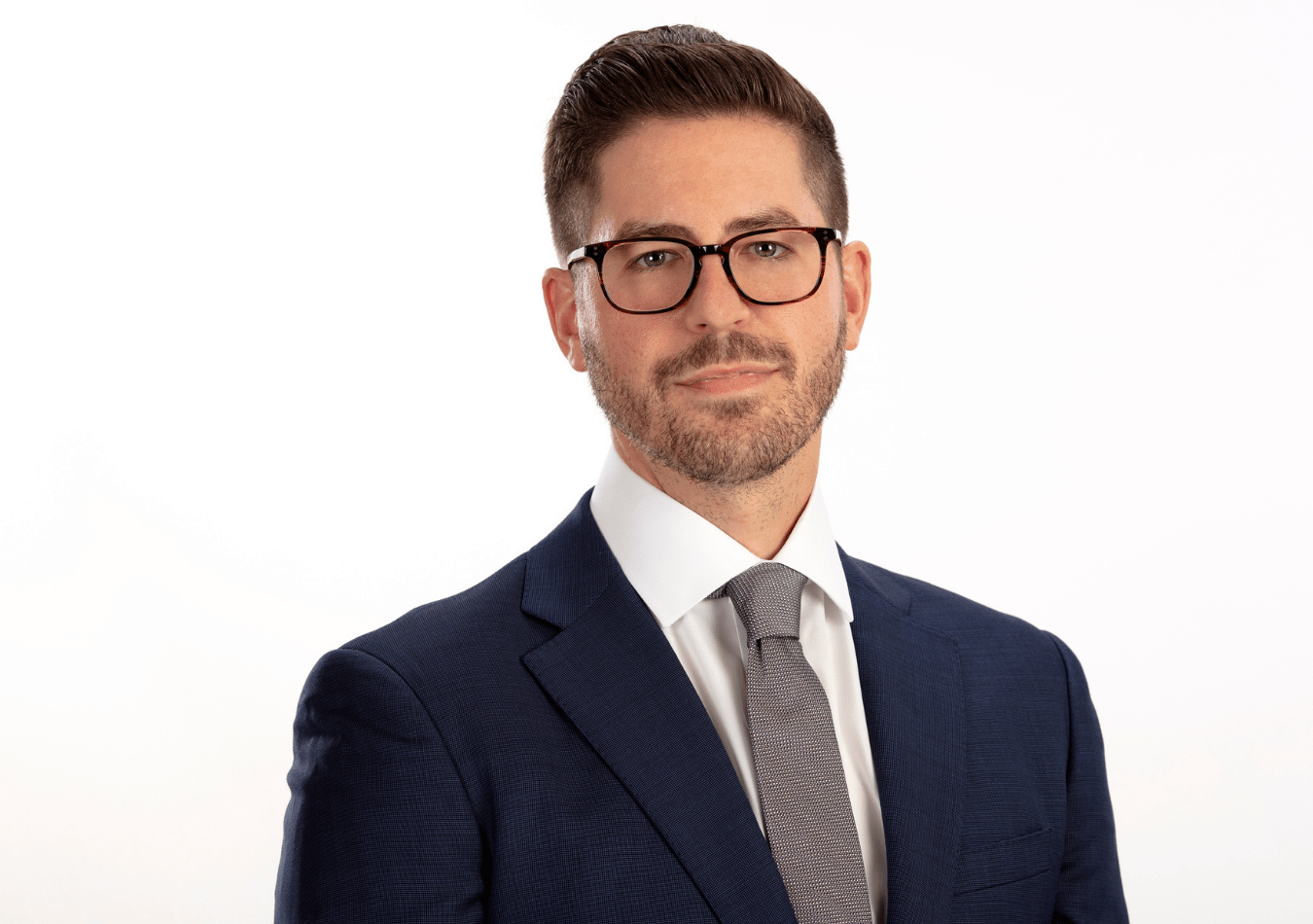
I’m Ross, a Licensed Marriage and Family Therapist (LMFT) based in Southern California with licensure in California, Washington, and North Carolina. With over a decade of clinical experience, I have dedicated my practice to helping individuals recover from the profound impacts of narcissistic abuse and rebuild their sense of self and well-being.
Beyond extensive professional experience and training in trauma-focused therapy modalities, I also bring genuine compassion to my work with clients, making the therapy space a place where you can process your past and heal without judgment. My specialized focus on narcissistic abuse therapy comes from seeing countless clients transform their lives after breaking free from these harmful patterns. I’d be honored to help you do the same.
My approach to narcissistic abuse therapy
At the core of my approach to narcissistic abuse recovery is the understanding that healing requires addressing both the cognitive and somatic effects of emotional trauma. I integrate three powerful therapeutic modalities: Internal Family Systems Therapy to work with different parts of your personality, Sensorimotor Psychotherapy to address how trauma is stored in the body, and Object Relations Therapy to heal attachment wounds.

What makes my approach unique is the focus on personal responsibility. No, narcissistic relationships aren’t your fault, but recognizing the underlying patterns and factors that may make you vulnerable to these types of relationships can empower you to attract the types of people you actually want in your life.
Whether you’ve survived a relationship with a classical (overt) narcissist who dominated through grandiosity and aggression, or a covert narcissist who controlled through victimhood and emotional manipulation, therapy with me offers validation and practical tools for recovery.
How to start & what to expect
Step 1: Schedule a free 20-minute consultation
The first step in your healing journey is to schedule a free 20-minute phone consultation. During this call, you can share your situation, ask questions about how therapy for narcissistic abuse works, and determine if my approach aligns with your needs.
Step 2: Complete initial paperwork
Once you decide to move forward, you’ll receive some forms to complete before your first session. This helps me understand your history and current challenges, allowing us to make the most of our time together.
Step 3: Attend your first session
In our first session, we’ll dig deeper into your experience with narcissistic abuse and begin developing your personalized treatment plan. This is where we establish the foundation for your healing journey and set initial goals for narcissistic abuse recovery.
Step 4: Begin your unique recovery process
After our initial assessment, we’ll collaborate to develop your customized treatment plan. This roadmap will outline specific therapeutic techniques, practical tools for managing triggers, and measurable milestones to track your progress. Your recovery plan evolves as we work together, adapting to your changing needs and growth throughout the healing process.
Common reasons why people start narcissistic abuse therapy
Feeling emotionally depleted or "empty"
Many survivors of narcissistic abuse describe feeling like “a shell of their former self.” This emotional depletion occurs after prolonged exposure to manipulation, gaslighting, and having your needs consistently dismissed. Therapy for victims of narcissistic abuse helps you reconnect with your authentic emotions and rebuild your internal resources.
Struggling with self-doubt and confusion
Narcissistic relationships often leave survivors questioning their perceptions, decisions, and even their sanity. This confusion is a direct result of gaslighting and other manipulation tactics. Therapy provides clarity and validation, helping you trust your experiences and judgment again.
Difficulty forming healthy new relationships
After narcissistic abuse, many survivors find themselves either avoiding relationships altogether or unconsciously attracting similar unhealthy dynamics. Specialized counseling for narcissistic abuse helps you identify “emotional vampires” early and develop the skills to form balanced, mutually respectful relationships.
Persistent inner critic and low self-esteem
Many clients who’ve experienced emotional abuse from a narcissist struggle with an intensified inner critic and deeply ingrained feelings of inadequacy. The constant criticism, comparison, and devaluation experienced in narcissistic relationships often becomes internalized, creating harsh self-judgment and diminished self-worth. Counseling helps you recognize these internalized voices, understand their origin, and develop healthier, more compassionate self-talk.
Physical symptoms and chronic stress
The emotional toll of narcissistic abuse often manifests in physical symptoms like muscle tension, sleep disturbances, digestive issues, and a chronically activated nervous system. Many clients don’t initially connect these physical experiences to relational trauma. Through specialized counseling, you’ll learn somatic techniques to recognize stress responses in your body and develop practical tools to restore nervous system regulation and physical wellness.

Is my practice right for you?

There may be some times when another clinician could serve you better. Here are some examples of when I may recommend other local resources.
- Active crisis situations. If you’re experiencing a mental health emergency, please contact the 988 Lifeline, which is available 24/7, or visit your nearest crisis center or emergency room.
- Need in-person support. My practice is exclusively online. If you’re looking for in-person counseling sessions, I recommend contacting a different practice.
- Want a therapist of a different gender. Some people experiencing narcissistic abuse may prefer to work with a therapist of a particular gender. That’s entirely valid.
If you’re still unsure whether my practice is right for you, I invite you to reach out for a free consultation.
FAQs about counseling for narcissistic abuse
What is narcissistic personality disorder?
Narcissistic Personality Disorder (NPD) is a complex mental health condition that goes beyond just self-centeredness or occasional ego. It involves a consistent pattern of grandiosity, constant need for admiration, and a noticeable lack of empathy that affects many aspects of a person’s relationships.
Those with NPD often see themselves as exceptionally important, become wrapped up in fantasies about success or power, and believe they’re uniquely special. They typically have a sense of entitlement, a tendency to exploit others, a lack of empathy, envy of others, and arrogant behaviors.
It’s important to note that while many people may display narcissistic traits occasionally, NPD is diagnosed when these traits are inflexible, cause significant issues in a person’s life, and persist across various situations and relationships.
Many of my clients find it helpful to understand this clinical framework as part of their healing journey, though I should note that you don’t need a partner or family member with diagnosed NPD to have experienced narcissistic abuse and benefit from therapy.
How do I know if I've experienced narcissistic abuse?
Common signs include feeling constantly criticized, having your reality questioned (gaslighting), emotional exhaustion, walking on eggshells, and feeling like your needs don’t matter.
Many of my clients also experience symptoms of post-traumatic stress disorder (PTSD)—including heightened startle responses, intrusive memories, emotional flashbacks, and a persistent sense of danger—even after the relationship has ended. This trauma response is a natural reaction to ongoing emotional abuse
During our consultation, we can discuss your specific experiences to determine if my therapy approach would be beneficial for your situation.
What is the best therapy for narcissistic abuse recovery?
The most effective form of counseling for narcissistic abuse typically combines trauma-informed approaches that address both the psychological and physiological impacts of this unique form of emotional trauma.
In my practice, I’ve found that an integrated approach works best. I combine elements of several evidence-based methods, like IFS, Sensorimotor Psychotherapy, and Object Relationship therapy.
Other clinicians might use different approaches to help you heal from past trauma, like Dialectical Behavior Therapy (DBT), psychodynamic therapy, Cognitive Behavioral Therapy (CBT), or other methods.
Beyond specific modalities, it’s especially important to work with a therapist who understands the unique dynamics and impacts of narcissistic abuse, validates your experience without judgment, and creates a treatment plan tailored to your specific needs.
Start narcissist abuse therapy today
With the right support, healing from a toxic relationship is possible. Whether you experienced childhood trauma from a narcissistic parent, dealt with the manipulative and controlling behavior of a romantic partner, or struggle in your relationships with friends, I’m here to support you.
Through our work together, you can rebuild the confidence and self-compassion that often get shaken in narcissistic abuse. Therapy is a safe and supportive environment where you can process your experiences with a trusted confidant. Plus, you’ll learn important emotional regulation skills and tools for establishing healthy boundaries so you can protect your emotional well-being in current and future relationships.

I understand how daunting it can feel to seek professional help, especially for trauma survivors. That’s why I offer free, no-obligation consultations where you can get a better sense of my approach and decide if we’re the right fit. Schedule yours here to get started. I look forward to hearing from you.