
Who are the Best IFS Therapists in San Diego?
Whether you’re navigating anxiety, recovering from trauma, or simply feeling stuck in old patterns, finding the right kind of support can make a big difference. For many of my clients, Internal Family Systems (IFS) therapy has been the missing link—offering a compassionate, structured way to explore what’s really going on beneath the surface.
As a licensed marriage and family therapist in San Diego with professional training in IFS, I use this approach to help individuals and couples better understand their inner worlds, heal from past wounds, and build more connected, balanced lives. Together, we’ll work to identify the different “parts” of you and begin to understand what each part is trying to do for you.
 Here are a few reasons why clients choose to work with me:
- Licensed marriage and family therapist with over a decade of clinical experience
- Integrative Training in Internal Family Systems therapy and how to use it with other models to get the most out of your therapy experience
- Extensive background in trauma-informed care, including sensorimotor psychotherapy
- Expertise in attachment dynamics and how they show up in relationships
- Flexible online sessions for ease and convenience
- Evening availability to fit therapy into your schedule
And to help you decide if we’re a good fit, I offer free consultations where you can ask questions, learn more about my approach, and see if IFS therapy resonates with you. Feel free to reach out to schedule yours.
At the same time, I know that therapy is deeply personal, and the right therapist looks different for everyone. There are some times when my practice may not be the best match for you, such as:
- If you have an active substance use disorder or eating disorder, I may recommend medical treatment before individual therapy.
- If you want another therapeutic modality I don’t offer, like psychedelic-assisted psychotherapy.
- If you’re experiencing active crisis, please contact the 988 Lifeline right away.
Here, I’ve put together a list of other IFS therapists in San Diego who might be a better fit for your needs in certain situations. No matter where you land, I hope you find the support you’re looking for.
5 of the best San Diego IFS therapists
All of these practitioner listings have been sourced from the official directory on the IFS Institute website.
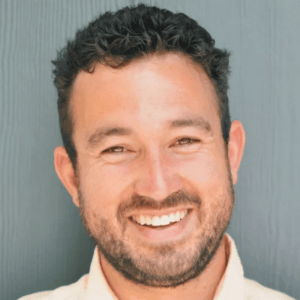 1. Matt Bishop
Matt Bishop is a Level 1 trained IFS clinician. His practice, Sonder Therapy Group, offers therapy for children and teenagers in addition to adults, so I recommend contacting his practice if you’re looking for those services.
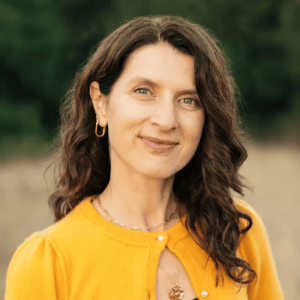 2. Jelena Bodinet
Jelena is a Level 1 trained IFS clinician. Her practice, Peace Within Therapy San Diego, offers in-person sessions at offices in La Jolla and Hillcrest. She also offers walk-and-talk therapy. Since my practice is exclusively virtual, you may consider Jelena’s practice if you don’t want online sessions.
 3. Esther Chau
Esther is a Level 2 trained IFS clinician. She often works with Asian American and BIPOC clients, so I recommend reaching out to her if you’re looking for a San Diego IFS therapist with specialized experience serving those populations.
 4. Nina Holmes
Nina is a Level 2 trained IFS clinician. In addition to IFS, she also provides equine-facilitated psychotherapy and Imago therapy. If you’re looking for those services or would like to access therapy in Spanish, her practice could be a good fit.
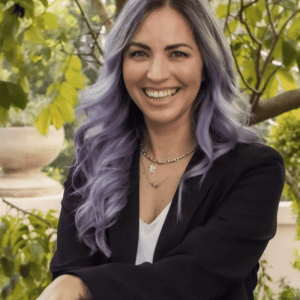 5. Cynthia Valentine
Cynthia is a Level 1 trained IFS clinician. One of her specialties is ADHD in adults, so if you’re looking for a therapist who specializes in that area, I recommend contacting her practice to inquire.
FAQs about IFS therapy
What is IFS and how does it work?
Internal Family Systems (IFS) therapy is based on a simple yet profound idea: we all have multiple “parts” within us, each with their own feelings, beliefs, and goals.
Think of these not as actual people but as aspects of your personality that developed to help you navigate life’s challenges. Some parts might show up as your inner critic, others as a people-pleaser, a worrier, or a protector who keeps feelings at bay. In IFS, we recognize that even the parts that cause you distress are actually trying to help—they’re just often using outdated strategies from earlier in your life.
The magic of IFS happens when we access an individual’s core “Self”—the calm, curious, compassionate core that exists in everyone.
From this centered place, we’ll gently get to know each part, understand its concerns and intentions, and help parts that are stuck in painful past experiences to release their burdens.
Rather than fighting against aspects of yourself, IFS creates an internal environment of understanding and cooperation. Sessions typically involve guided exploration where you’ll notice what comes up in your body, emotions, and thoughts when discussing certain topics, and I’ll help you have conversations with these parts in a way that promotes healing and integration.
What is the success rate of IFS therapy?
While there isn’t a simple percentage I can point to, I’ve seen remarkable transformations in my clients who commit to the IFS journey. IFS therapy can be effective for reducing depression, anxiety, and PTSD symptoms, and many clients report feeling more self-compassion and internal harmony after treatment.
What makes IFS particularly powerful is how it helps you develop a relationship with all parts of yourself—even those you’ve been fighting against for years. Unlike approaches that try to eliminate “negative” thoughts or emotions, IFS honors every part’s protective role in your system, which often leads to deeper and more sustainable healing.
The most meaningful measure of success I see is when clients tell me they finally feel a sense of inner peace and acceptance of all parts of themselves. Plus, clients often notice positive ripple effects from these changes, like improved relationships, greater confidence, and more.
Who is IFS therapy best for?
IFS therapy can be transformative for almost anyone, but I’ve found it especially powerful for people who have experienced developmental trauma. Developmental trauma can lead to additional “survival” parts of the self that often come into conflict and can make one feel like they are “at war” with themself. If you experience harsh self-criticism, conflicting desires (like wanting connection but pushing people away), or find yourself repeating patterns despite your best intentions, IFS offers a compassionate framework for understanding what’s happening beneath the surface.
It’s particularly beneficial if you’re recovering from trauma, struggling with shame or low self-esteem, battling anxiety or depression, have difficult relationships with yourself or others, or simply feeling that different “parts” of you are pulling in opposite directions. Even if you’re generally doing well but find certain situations trigger disproportionate reactions, IFS can help illuminate why. The beauty of this approach is that it works whether you’re new to therapy or have tried other methods without finding the relief you’re seeking.
What are the drawbacks of IFS therapy?
Like any personal growth journey, IFS therapy requires patience and commitment. Some clients initially find it challenging to identify or communicate with their parts, or they may feel vulnerable when first connecting with emotions they’ve long avoided. IFS also isn’t typically a quick-fix approach—we’re building a relationship with aspects of yourself that may have been operating on autopilot for decades, and that takes time.
Additionally, while IFS is evidence-based, it might feel different from more structured approaches you may have tried before, as it involves some creativity and internal dialogue.
Finally, finding a therapist with specialized IFS training is important, as the approach requires specific skills and understanding. That said, most clients find that these challenges are far outweighed by the profound healing and self-understanding that emerges through the work.
How do I know if IFS is right for me?
If you find yourself wondering if IFS could help you, that curiosity itself is often a good sign. You might be a great fit for IFS if you notice yourself saying things like “part of me wants to change, but another part is terrified,” or “I know this reaction isn’t helping me, but I can’t seem to stop.”
Many of my clients discover that IFS resonates when they’ve tried to overcome challenges through willpower or logical thinking alone and found that something deeper seems to be holding them back. You might also consider IFS if traditional talk therapy has been helpful but hasn’t quite resolved your core struggles, or if you’re looking for an approach that feels less pathologizing and more compassionate.
The best way to know, though, is to experience it—in our consultation, I can walk you through a brief exercise to give you a taste of how IFS works, and you’ll likely sense right away whether this approach feels right for your healing journey.
If you find that IFS isn’t the right match for your situation, you may consider some other approaches instead, like acceptance and commitment therapy (ACT), solution-focused therapy, interpersonal therapy, CBT, or other approaches.
Start IFS therapy in San Diego today
Ready to get started? I’m here to help. Whether you’re struggling with the impacts of complex trauma, curious about therapy that draws on the mind-body connection, or just feel stuck in your healing process, IFS could be a good fit. Plus, I also offer somatic therapy and other complementary modalities to help you make meaningful change.
Through convenient online therapy sessions, you’ll learn about the different sub-personalities in your internal system, befriending each one of them instead of constantly fighting against yourself. Over time, you’ll have more confidence navigating difficult emotions, life transitions, and other day-to-day challenges. Contact me today to take the first step.